
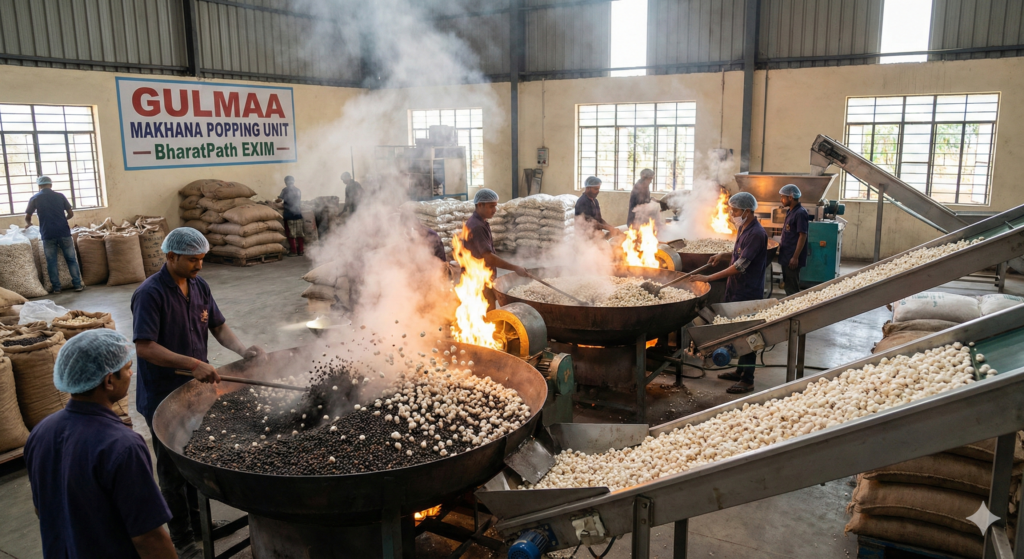
Introduction to Makhana
Makhana, also known as fox nuts or lotus seeds, is the seeds of the Euryale Fox plant, which is native to the wetlands of India. These nutritious seeds have been a staple in Indian cuisine for centuries and are primarily harvested during the rainy season. Their unique texture and nutty flavor make them a popular ingredient in a variety of dishes. In recent years, makhana has gained traction in global markets, primarily due to its numerous health benefits and versatility in culinary applications.
Nutritionally, makhana is valued for its low-calorie content, high protein, and fiber levels, along with essential minerals such as magnesium, potassium, and phosphorus. This combination makes them an ideal snack for health-conscious individuals seeking to maintain a balanced diet. Furthermore, makhana is gluten-free and can be incorporated into various dietary plans, including vegan and vegetarian lifestyles.
The rising demand for makhana can be attributed to an increasing awareness of healthy eating habits, as consumers are becoming more inclined toward natural, health-promoting snacks. Additionally, in Western countries, makhana is often marketed as a healthier alternative to traditional snack options, further enhancing its appeal. This growing popularity has also led to more varieties of makhana products available in the market, ranging from roasted versions to gourmet flavors and packaged snacks.
In culinary use, makhana is extremely versatile, often used in desserts, snacks, and even savory dishes. In India, it is commonly cooked with spices, made into a flour for use in various recipes, or enjoyed simply roasted. The adaptability of makhana in both sweet and savory cuisines contributes to its appeal, making it a worthy addition to any pantry.
This article will serve as a guide for first-time buyers looking to import premium makhana from India, shedding light on its rich history, nutritional benefits, and increasing demand around the world.
Why Import Makhana from India?
India stands as one of the largest producers of makhana, also known as fox nut or lotus seed, making it a prime source for procurement for first-time buyers. Sourcing makhana from India offers several advantages that enhance its appeal for both retailers and consumers seeking high-quality products. Firstly, the quality of makhana available in India is often unmatchable, with various regions cultivating it under optimal conditions, leading to superior taste and texture.
In addition to quality, the diversity of makhana varieties in India allows importers to select from a wide range of options to meet varying market demands. From organic varieties to differently processed forms, Indian suppliers are well-equipped to offer products that cater to health-conscious consumers as well as gourmet chefs. This versatility further solidifies India as a leading destination for makhana imports.
Moreover, competitive pricing makes Indian makhana an attractive choice for international buyers. Due to the scale of production and the rich agricultural practices adopted by Indian farmers, makhana can be sourced at prices that often undercut those from other countries. This cost-effectiveness enables importers to maintain good profit margins while providing high-quality products to their customers. Furthermore, investing in Indian products aligns with supporting local economies and promoting sustainable farming practices that have been historically significant in various regions of India.
Lastly, the cultural significance of makhana in India cannot be overlooked. The traditional methods of harvesting and processing makhana maintain a connection to India’s rich agricultural heritage, adding value to the products imported. Overall, these factors make importing makhana from India not only a practical decision but also a meaningful one, supporting both quality and tradition.
Understanding the Market and Regulations
The importation of premium makhana from India presents a promising opportunity for first-time buyers. However, it is essential to have a comprehensive understanding of the market landscape, particularly regarding the regulations that govern food product imports. Buyers must familiarize themselves with various crucial aspects, such as import licenses, certifications, and health regulations, which are pivotal for successful importation.
One of the first steps for potential importers is to obtain the necessary import licenses. In most countries, this involves applying for an Importer of Record license, which allows businesses to legally import products. This license ensures compliance with local and international trade laws, and it is often a prerequisite to engage in the importation of food items.
Additionally, premium makhana often requires specific certifications to be deemed suitable for market consumption. These can include quality assurance certifications, organic certifications, and adherence to specific food safety standards. Depending on the destination country, first-time buyers should verify if there are any additional certifications needed to abide by local food import regulations.
Another critical aspect involves understanding the import duties associated with makhana. Import duties can significantly affect the overall cost, impacting the pricing strategy for the end consumer. Therefore, it is essential to be aware of the applicable tariffs, as they can vary significantly between countries and can be subject to change based on trade agreements.
Health regulations play a crucial role in the importation process. Buyers should ensure that the imported makhana meets the health and safety standards set by the respective authorities. This includes being familiar with labeling requirements and contamination standards, which must be adhered to in order to avoid penalties or confiscation of goods.
Finding Reliable Suppliers in India
Identifying trustworthy suppliers for premium makhana in India is an essential step for first-time buyers looking to make a purchase. The process requires thorough research and careful evaluation to ensure reliability and quality. Start with utilizing online platforms such as Alibaba, IndiaMART, or TradeIndia, where numerous exporters and manufacturers list their products. These platforms often include reviews and ratings which can provide insight into a supplier’s credibility.
After narrowing down potential suppliers, conducting due diligence becomes crucial. Begin by verifying their business credentials, which may include incorporation certificates, tax registrations, and export licenses. This will help ascertain whether the supplier operates legally and adheres to industry standards. Additionally, check for any red flags, such as poor communication or inconsistent pricing, which can indicate untrustworthiness.
Another effective approach is to request samples of the premium makhana products to evaluate their quality. A reputable supplier should be willing to send samples upon request, allowing you to assess taste, texture, and packaging. If possible, consider arranging a visit to the supplier’s facility to gain further insights into their operations and quality control processes.
Furthermore, networking with other buyers who have experience importing makhana from India can provide valuable insights and recommendations. Joining relevant online forums or social media groups can facilitate connections with seasoned importers who can share their experiences with specific suppliers. Obtaining references from suppliers can also support your decision-making process. A responsible supplier should be able to provide contacts of previous international buyers who can vouch for their reliability and product quality.
In summary, finding reliable suppliers of premium makhana in India entails thorough research, validation of credentials, and establishing connections within the industry. By following these steps, buyers can minimize risks and ensure a successful import experience.
Evaluating Quality and Pricing
When importing premium makhana, understanding how to evaluate quality and pricing is crucial for first-time buyers. Quality makhana should possess a light, crisp texture and exhibit a creamy, nutty flavor. One of the first factors to consider is the packaging. Ensure that the packaging is securely sealed to maintain freshness. High-quality makhana will usually be packaged in vacuum-sealed bags, protecting it from moisture and contaminants.
In addition to proper packaging, freshness plays a pivotal role in determining quality. Buyers should inquire about the date of harvest as well as the processing timeline of the makhana. Ideally, one should source makhana that has been freshly harvested and minimally processed to retain its nutritional value and taste. Furthermore, it is beneficial to discuss sourcing practices with suppliers; understanding whether the makhana is sourced from reputable farms can positively influence both quality and ethical considerations.
When negotiating prices, it is essential to compare various offers to understand the market value of premium makhana. However, price should not be the sole determining factor; quality should take precedence. Requesting samples before placing a larger order is a prudent strategy. This allows buyers to physically assess the makhana’s quality, taste, and texture, ensuring that it meets their expectations prior to making a significant financial commitment. To maintain a good relationship with suppliers, be open to discussing any concerns that arise during sampling. Effective communication can aid in negotiating a fair price while ensuring that the quality of the product aligns with your demands.
Navigating Shipping and Logistics
Importing premium makhana from India involves a series of logistical considerations that are vital for a successful transaction. The choice of shipping options can significantly impact the overall costs and timelines. Generally, businesses can opt for either air freight or sea freight. Air freight, while more expensive, offers faster delivery times, a critical factor when dealing with perishables like makhana. Conversely, sea freight is more economical, accommodating larger shipments but requiring longer lead times ranging from two weeks to a month.
Managing customs clearance is another essential aspect of the logistics involved in importing makhana. It is imperative to understand the specific import regulations applicable to your country. This includes paperwork such as the commercial invoice, packing list, and the bill of lading. Additionally, you may need to provide a certificate of origin and adhere to food safety standards, depending on local regulations. Engaging a customs broker can streamline this process and ensure compliance with all legal requirements, minimizing the risk of delays.
Selecting the right freight forwarder plays a crucial role in your logistics strategy. It is advisable to research potential forwarders who have a strong background in handling food imports. Look for reputable companies that provide not only competitive pricing but also exceptional customer service. A forwarder experienced in the makhana industry will better understand the nuances of shipping this product and help in ensuring that shipments are carried out efficiently.
Tracking your shipments is another best practice for first-time buyers. Many freight forwarders offer online tracking systems, allowing you to monitor your cargo in real-time. This transparency helps in managing expectations and provides peace of mind about the status of your order. By effectively navigating the shipping and logistics of importing makhana, buyers can enhance the overall importing experience and ensure a smoother process.
Building Relationships with Suppliers
Developing strong relationships with suppliers in India is essential for anyone looking to import premium Makhana. A positive rapport not only aids in smoother transactions but also enhances the likelihood of receiving quality products tailored to your specifications. One critical aspect of this relationship is communication. Effective communication hinges on clarity and consistency. Use straightforward language while being open to questions, and make it a point to respond promptly to any inquiries. This practice builds trust and encourages transparency—two vital components of a successful supplier relationship.
Cultural nuances play a significant role in India’s business environment. Understanding these subtleties can facilitate smoother interactions. For instance, greeting your suppliers with respect and showing an appreciation for their heritage can go a long way in fostering goodwill. In Indian culture, personal and business relationships are often intertwined; thus, being personable and engaging in small talk can establish a sense of comfort and familiarity.
Negotiation is another crucial factor when dealing with suppliers. While negotiating prices, remember that it is not merely about securing the lowest possible cost. Instead, focus on the value you can bring to the table. Suppliers often appreciate long-term collaboration over short-term gains. Therefore, positioning yourself as a reliable partner who prioritizes mutual benefits can lead to more favorable terms and better product quality.
Lastly, establishing long-term partnerships enhances trust and reliability. Regular engagement, whether it’s through periodic check-ins or visits, can solidify these ties. By demonstrating your commitment and consistency, you set the stage for more successful transactions in the future. Such partnerships yield not only quantity, but also quality, enabling you to import premium Makhana and navigate the logistics of international trade with greater ease.
Marketing Imported Makhana
When considering how to market imported makhana, understanding the various consumer segments is crucial. Makhana, also known as fox nuts, is gaining popularity due to its nutritional benefits, and effective marketing strategies can amplify its appeal significantly. Firstly, branding plays a pivotal role in distinguishing your product in a crowded marketplace. A strong brand identity, reflecting quality, health benefits, and authenticity, can attract health-conscious consumers as well as gourmet food enthusiasts. Developing a recognizable logo, choosing an appealing color palette, and establishing a consistent messaging approach across all platforms can enhance brand recall.
Packaging design is another essential element in the marketing of imported makhana. Eco-friendly and visually appealing packaging can captivate consumers while communicating the brand’s commitment to sustainability. Clear labeling of the product’s health benefits, such as its high protein content and low-calorie nature, can influence purchasing decisions. Additionally, different package sizes can cater to varied consumer preferences, whether they are looking for individual snacking options or larger quantities for family use.
Advertising options are varied and should be chosen based on the target demographic. Social media platforms like Instagram and Facebook can be effective for reaching a younger audience, utilizing eye-catching visuals and engaging content. Collaborations with health influencers and bloggers can also expand reach and credibility. Furthermore, promoting the health benefits of makhana through educational content—such as blog posts, infographics, or videos—can incite interest and inform potential customers about the product. Crafting a compelling narrative around the origins and health advantages of makhana can resonate well, especially with the growing trend toward health-conscious eating.
Conclusion and Next Steps
Importing premium makhana from India presents an exciting opportunity to tap into a flourishing market for healthy snacks. This guide has outlined the essential steps for first-time buyers, emphasizing the importance of understanding the makhana sourcing process. From selecting the right suppliers to navigating logistical challenges, each aspect plays a critical role in ensuring a successful import experience.
First and foremost, it is vital to conduct thorough research on potential suppliers. Prioritize those with a proven track record in quality and sustainability, as this will reflect positively on your brand. Engaging in direct communication with suppliers can yield insights that online resources often overlook. Additionally, consider requesting product samples to ascertain quality before making a larger commitment.
The logistics of importing shouldn’t be underestimated. Familiarize yourself with the legalities, tariffs, and customs regulations to avoid unforeseen complications that could derail your importation efforts. Building relationships with reliable freight forwarders can streamline this process, allowing you to focus on other business activities.
Finally, remember that the premium snack market is continually evolving. Monitoring consumer trends and preferences will enable you to adapt your offerings effectively, ensuring longevity in the market. Creating compelling marketing strategies for your imported makhana can help position your brand attractively in a competitive space.
Embarking on your journey to import premium makhana may seem daunting, but with the right resources and strategies, you can navigate the process effectively. Embrace the opportunities that lie ahead, and equip yourself with knowledge and connections that will serve you well in the world of premium snacks.